
Blog

Blog
Blog
Blog
North Texas Ophthalmology Associates Blog
Learn more about eyecare in our blog!
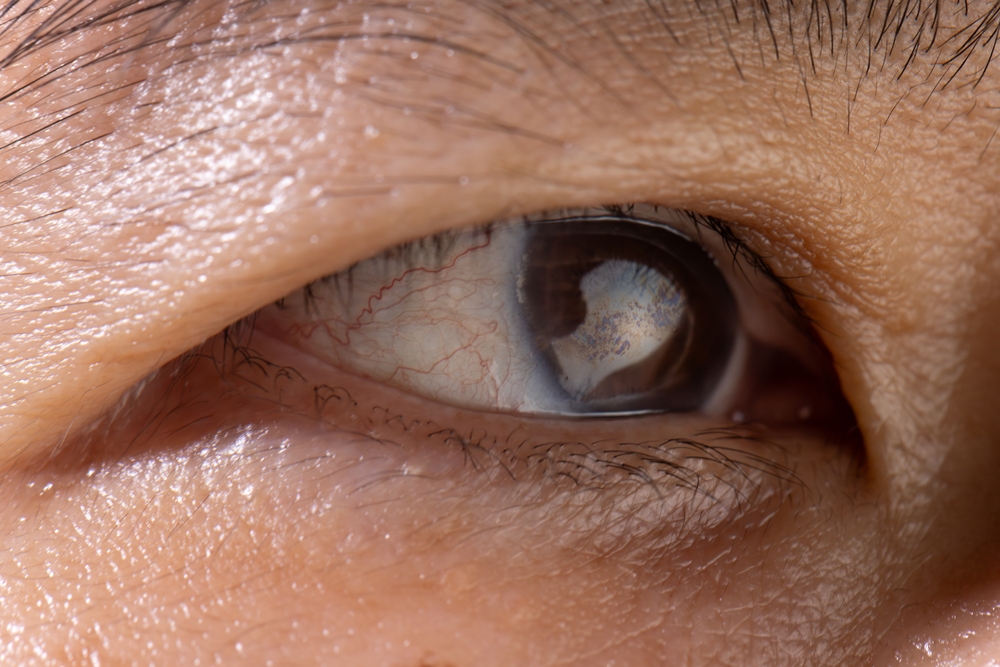
Glaucoma is a progressive eye disease that can damage the optic nerve, often due to elevated intraocular pressure. Because vision loss from glaucoma is usually permanent, early diagnosis and consistent treatment are important. At North Texas Ophthalmology Associates, we help Wichita Falls patients understand their options for managing glaucoma and protecting long-term vision.

If you're tired of relying on glasses or contact lenses, you may be exploring your vision correction options. For many patients, LASIK & PRK remain some of the most trusted & effective surgeries available today. However, LASIK & PRK are not your only option.

Spring in Texas can be beautiful, but it can also be tough on your eyes. As pollen, wind, and dust increase, many people begin to notice itchy, red, watery, or irritated eyes. While occasional itching may seem like a normal part of allergy season, persistent symptoms can affect comfort, vision, and daily routine. At North Texas Ophthalmology Associates in Wichita Falls, we help patients understand what is causing their symptoms—and when it may be time for medical eye care.
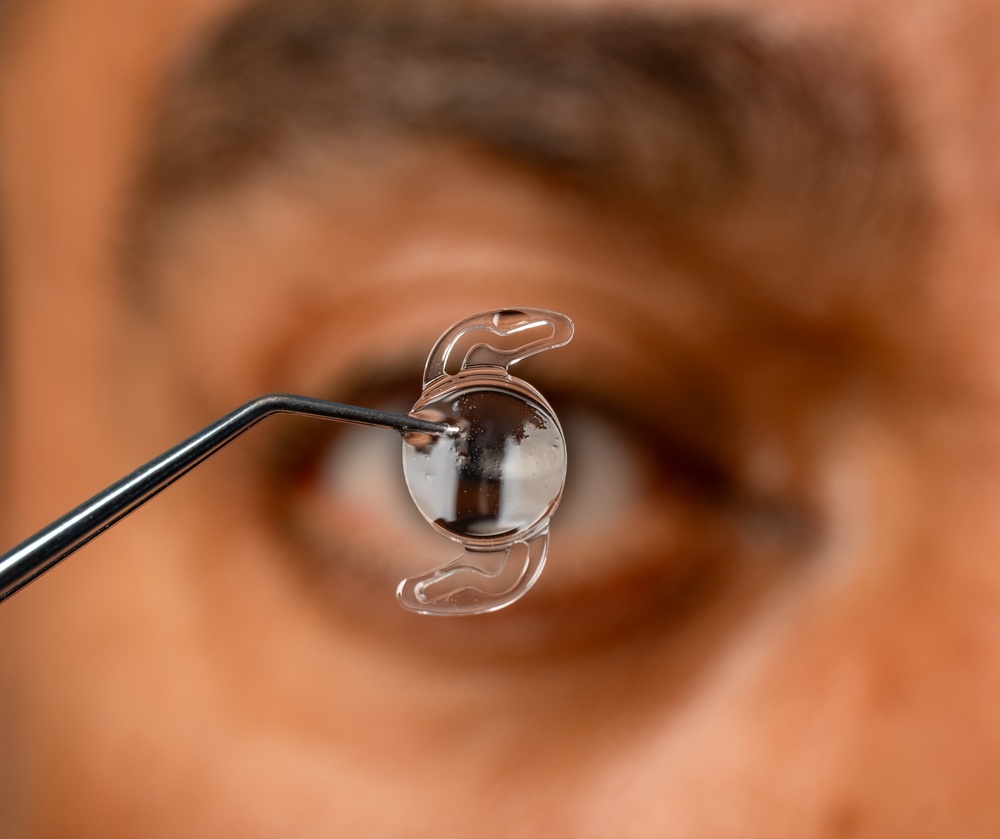
A standard IOL is designed to restore clear vision, usually at one distance. Advanced intraocular lens options go further. Depending on the lens selected, they may help improve near, intermediate, and distance vision.
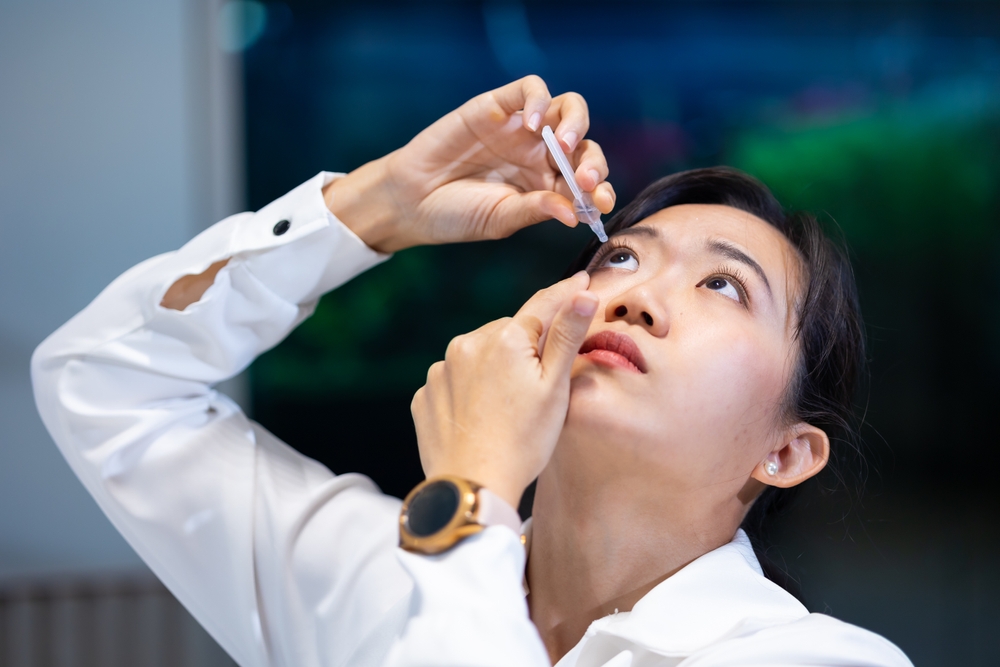
Dry eye is a common concern for many patients at North Texas Ophthalmology Associates. While age, medical conditions, and increased screen use can contribute to symptoms, environmental factors often play a significant role.
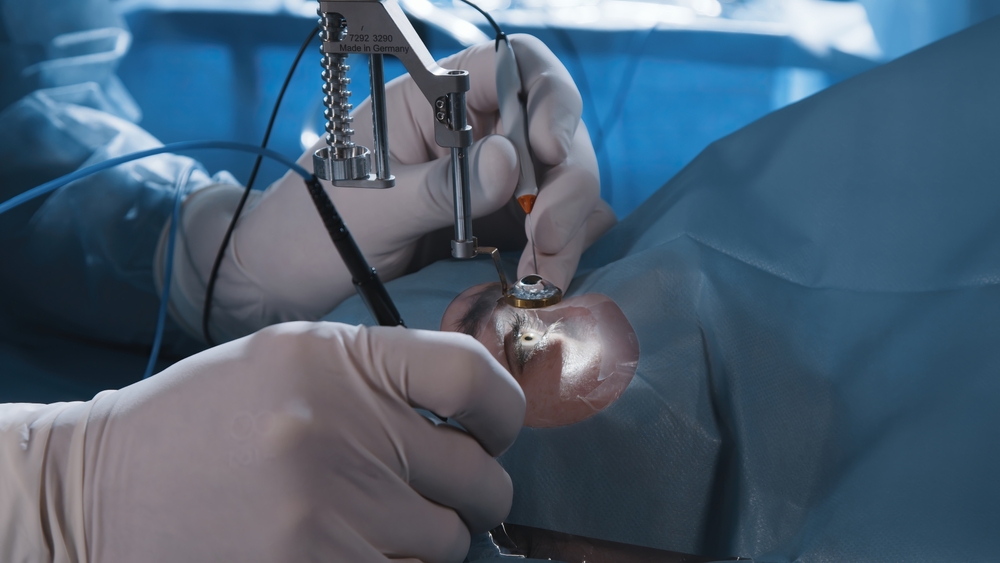
Glaucoma surgery is used to lower eye pressure and protect the optic nerve from further damage. Glaucoma is a progressive eye disease that can lead to permanent vision loss if not properly managed.
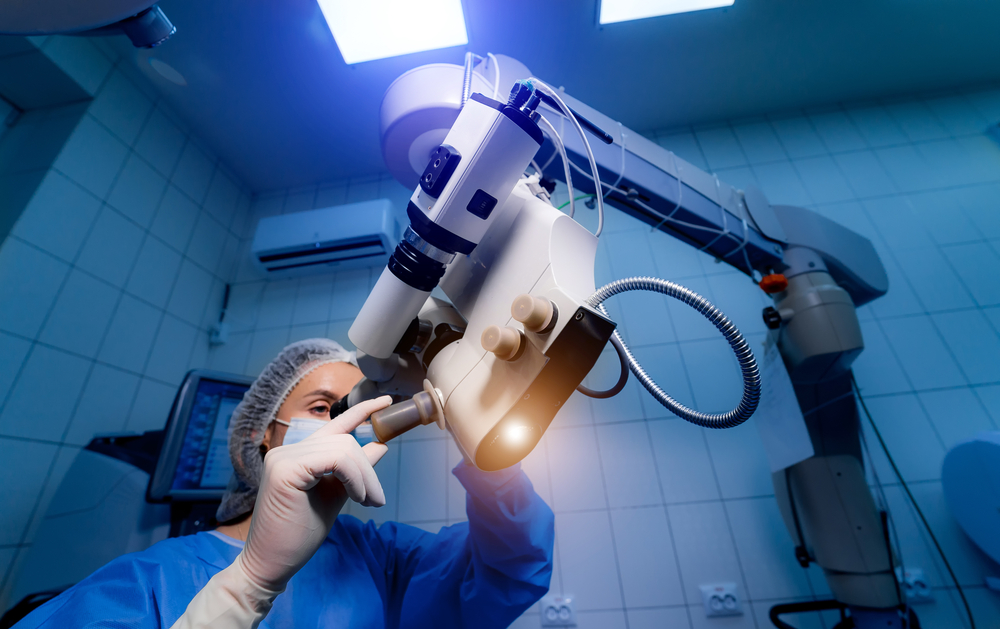
If you’re ready to eliminate your dependence on glasses and contact lenses, laser vision correction may be an option worth exploring. LASIK and PRK are two of the most trusted and effective procedures available today, each designed to correct common refractive errors and improve visual clarity.

A new year is the perfect time to reset, refocus, and invest in your health—and your vision deserves a spot at the top of that list. Whether you’re noticing subtle changes in your eyesight or simply want peace of mind, starting the year with a comprehensive eye exam can make a powerful difference.
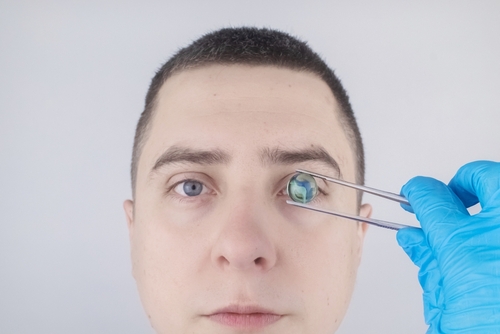
A historic medical milestone was recently reached when surgeons restored a patient’s vision using the world’s first 3D-printed, lab-grown corneal implant. This advancement signals a new era for individuals suffering from corneal disease or damage — and offers hope to millions worldwide.

Glaucoma is one of the leading causes of irreversible blindness worldwide — affecting more than three million Americans. What makes it especially dangerous is that it often develops without noticeable symptoms in the early stages. Many people don’t realize they have glaucoma until significant vision loss has already occurred.


© 2026 North Texas Ophthalmology Associates. All rights Reserved | Accessibility Statement| Privacy Policy | Language Policy
Powered by:

