
Types of Glaucoma Surgery: Laser, MIGS, Canaloplasty, and Traditional Procedures

Types of Glaucoma Surgery: Laser, MIGS, Canaloplasty, and Traditional Procedures
Types of Glaucoma Surgery: Laser, MIGS, Canaloplasty, and Traditional Procedures
Types of Glaucoma Surgery: Laser, MIGS, Canaloplasty, and Traditional Procedures
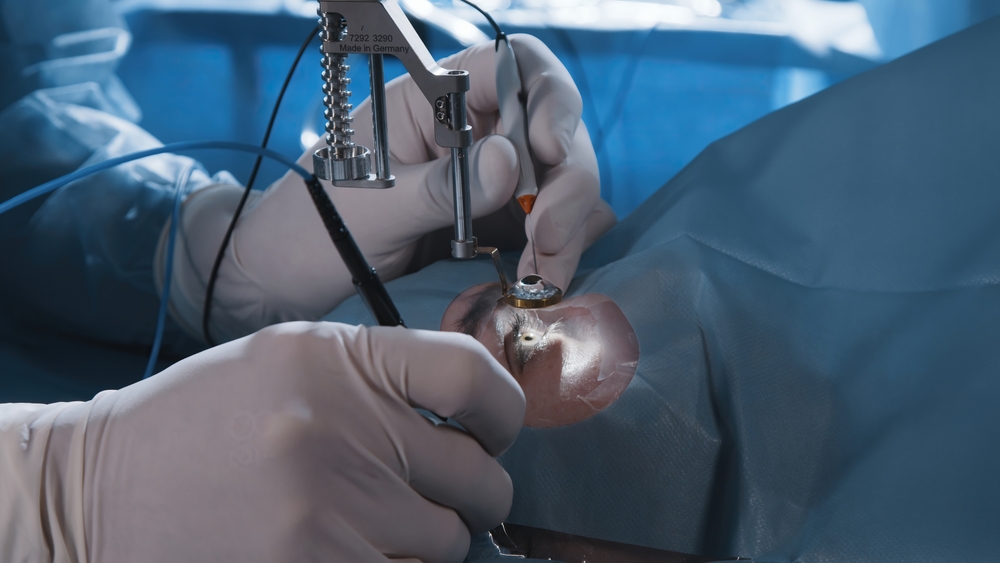
Glaucoma surgery is used to lower eye pressure and protect the optic nerve from further damage. Glaucoma is a progressive eye disease that can lead to permanent vision loss if not properly managed. Because early glaucoma often causes no symptoms, many people do not realize their vision is at risk until permanent damage has already occurred.
Fortunately, modern treatment options now range from laser procedures such as Selective Laser Trabeculoplasty (SLT) to minimally invasive glaucoma surgery (MIGS) and traditional surgical techniques for more advanced disease.
At North Texas Ophthalmology Associates in Wichita Falls, our ophthalmologists provide advanced treatments for patients diagnosed with glaucoma. You can learn more about surgical glaucoma treatment options!
When Is Glaucoma Surgery Needed?
Glaucoma surgery is typically recommended when other treatments are not adequately controlling eye pressure or when managing medications becomes difficult.
Surgery may be recommended when:
Eye drops are not lowering eye pressure enough
Medications cause unwanted side effects
The treatment plan becomes difficult to maintain
Glaucoma continues to progress despite treatment
Your ophthalmologist will evaluate your condition and recommend the most appropriate treatment based on the severity of your glaucoma and your long-term vision goals
Our team includes physicians experienced in diagnosing and treating glaucoma. You can learn more about our physicians here!
Selective Laser Trabeculoplasty (SLT)
One of the most common first-line procedures for open-angle glaucoma is Selective Laser Trabeculoplasty (SLT). This treatment uses gentle, targeted laser energy to improve fluid drainage through the eye’s natural drainage system, known as the trabecular meshwork. By improving fluid outflow, SLT helps reduce intraocular pressure.
Benefits of SLT
Quick in-office procedure
No incisions required
Minimal discomfort
Can reduce or eliminate the need for daily eye drops
Repeatable if necessary
SLT is often recommended early in the treatment process and can be an excellent option for patients who want to reduce their reliance on medications while effectively controlling eye pressure.
Minimally Invasive Glaucoma Surgery (MIGS)
For patients who need more pressure reduction than laser therapy can provide — but want to avoid traditional, more invasive surgery — minimally invasive glaucoma surgery (MIGS) offers an effective alternative.
MIGS procedures are designed to:
Lower intraocular pressure
Reduce dependence on glaucoma medications
Provide faster recovery times
Minimize surgical risks compared to traditional glaucoma surgery
Several MIGS procedures are available at North Texas Ophthalmology Associates, including microstent implants, canal-based procedures, and goniotomy techniques.
Types of Minimally Invasive Glaucoma Surgery (MIGS)
Several minimally invasive glaucoma procedures are used to improve the eye’s natural drainage system while minimizing surgical disruption.
Microstent Implants (iStent inject and Hydrus Microstent)
Two commonly used MIGS implants are the iStent inject and the Hydrus Microstent. These tiny devices are placed within the eye’s natural drainage pathway to improve fluid outflow and reduce intraocular pressure.
These procedures are often performed at the same time as cataract surgery, making them convenient for patients who have both cataracts and glaucoma.
Benefits of microstent implants include:
Improved natural drainage
Reduced eye pressure
Often decreased reliance on glaucoma medications
Minimally invasive approach with quick recovery
Canaloplasty
Canaloplasty is another minimally invasive glaucoma procedure that improves the eye’s natural drainage system by expanding Schlemm’s canal, the circular channel responsible for draining fluid from the eye.
During the procedure, specialized instruments are used to open and dilate the drainage canal, helping fluid flow more freely and lowering eye pressure.
Benefits of canaloplasty include:
Enhancing the eye’s natural drainage pathway
Avoiding creation of a filtering bleb
Minimally invasive surgical approach
Faster recovery compared to traditional glaucoma surgery
Goniotomy
Goniotomy is a MIGS procedure that involves creating a small opening in the trabecular meshwork to allow fluid to bypass the area of resistance and flow more easily through the eye’s drainage system.
This procedure is performed through a small corneal incision using specialized microsurgical instruments.
Benefits of goniotomy include:
Improved fluid outflow
Minimally invasive technique
Often performed alongside cataract surgery
Potential reduction in glaucoma medication use
Traditional Glaucoma Surgery
In more advanced cases, traditional glaucoma procedures such as trabeculectomy or tube shunt surgery may be recommended. These surgeries create new drainage pathways to significantly lower eye pressure and are typically reserved for patients with more severe or progressive glaucoma.
While highly effective, these procedures generally involve longer recovery periods and more intensive post-operative care compared to minimally invasive glaucoma procedures.
Glaucoma Treatment in Wichita Falls
Patients in Wichita Falls and throughout North Texas have access to advanced glaucoma care at North Texas Ophthalmology Associates.
Our ophthalmologists carefully evaluate each patient and recommend the most appropriate treatment plan based on the stage of glaucoma, overall eye health, and long-term vision goals.
From laser procedures like SLT to minimally invasive techniques such as microstent implants, canaloplasty, and goniotomy, our team provides modern treatment options designed to protect vision and maintain quality of life.
Frequently Asked Questions About Glaucoma Surgery
Is glaucoma surgery painful?
Most glaucoma procedures involve minimal discomfort. Laser treatments and MIGS procedures are typically performed using local anesthesia, and patients return home the same day.
How successful is glaucoma surgery?
Glaucoma surgery can significantly lower intraocular pressure and help slow the progression of the disease. While it does not cure glaucoma, it plays an important role in preserving vision longterm.
Is MIGS safer than traditional glaucoma surgery?
MIGS procedures are designed to be less invasive and generally offer faster recovery times with fewer risks. However, traditional glaucoma surgery may still be necessary for patients with more advanced disease.
Can glaucoma surgery cure glaucoma?
Glaucoma surgery does not cure glaucoma. Instead, it helps control eye pressure and prevent further damage to the optic nerve.
Medically Reviewed By
This article was medically reviewed by Dr. Compton, cataract and glaucoma surgeon at North Texas Ophthalmology Associates.
Dr. Compton focuses on the diagnosis and treatment of glaucoma and provides advanced surgical care for patients throughout Wichita Falls and North Texas.
Learn more about our physicians here!
Take the Next Step Toward Protecting Your Vision
If you have been diagnosed with glaucoma or are having difficulty managing your eye pressure, our ophthalmologists can help you explore the most appropriate treatment for your condition.
Schedule an appointment with North Texas Ophthalmology Associates.
Request an Appointment or call (940) 240-8400 to schedule your consultation.

All Eye
Care Services

Keep
In Touch
© 2026 North Texas Ophthalmology Associates. All rights Reserved | Accessibility Statement| Privacy Policy | Language Policy
Powered by:

