
LASIK and PRK: Comparing Laser Vision Correction Options

LASIK and PRK: Comparing Laser Vision Correction Options
LASIK and PRK: Comparing Laser Vision Correction Options
LASIK and PRK: Comparing Laser Vision Correction Options
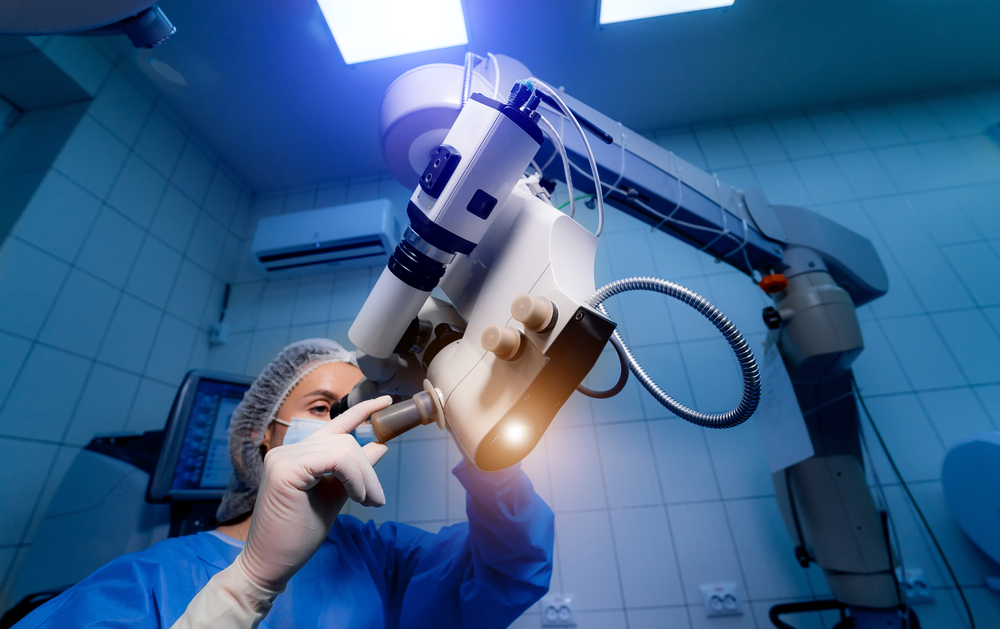
If you’re ready to eliminate your dependence on glasses and contact lenses, laser vision correction may be an option worth exploring. LASIK and PRK are two of the most trusted and effective procedures available today, each designed to correct common refractive errors and improve visual clarity. Although both treatments use advanced laser technology to reshape the cornea, they differ in technique, recovery experience, and candidacy requirements.
Understanding the Basics of Laser Vision Correction
Both LASIK (Laser-Assisted In Situ Keratomileusis) and PRK (Photorefractive Keratectomy) correct common refractive errors, including:
• Nearsightedness (myopia)
• Farsightedness (hyperopia)
• Astigmatism
In each procedure, an excimer laser precisely reshapes the cornea so that light entering the eye focuses properly on the retina, resulting in clearer vision. While the goal is the same, the way the surgeon accesses the cornea differs.
What Is LASIK?
LASIK is the most widely recognized laser vision correction procedure. During LASIK, a thin flap is carefully created on the surface of the cornea and gently lifted so the underlying corneal tissue can be reshaped with a precise excimer laser. Once the reshaping is complete, the flap is repositioned, where it naturally adheres and heals without the need for stitches.
One of the primary benefits of LASIK is its rapid recovery. Many patients experience noticeably clearer vision within 24 to 48 hours and report minimal discomfort following the procedure. Most are able to return to normal daily activities quickly. However, LASIK does require adequate corneal thickness and may not be recommended for individuals with certain corneal conditions.
There is also a small risk of flap-related complications, although these are uncommon when performed by experienced surgeons. LASIK is often ideal for patients seeking faster visual recovery who meet specific corneal health criteria.
What Is PRK?
PRK was the first form of laser vision correction and continues to be a highly effective option for many patients. Unlike LASIK, PRK does not involve creating a corneal flap. Instead, the outer layer of the cornea, known as the epithelium, is gently removed. The laser then reshapes the corneal surface, and a protective contact lens is placed over the eye while the epithelium naturally regenerates.
Because no flap is created, PRK preserves more corneal tissue and eliminates the possibility of flap-related complications. It is often recommended for patients with thinner corneas and for individuals involved in contact sports or high-impact professions. However, PRK typically involves a longer recovery period. Initial healing can take several days, and vision improvement occurs gradually over weeks. For those who are not ideal candidates for LASIK, PRK can be an excellent alternative.
How Does Recovery Compare?
One of the most significant differences between LASIK and PRK is the recovery timeline. LASIK patients often notice improved vision within a day and are able to resume normal activities relatively quickly. In contrast, PRK requires a longer initial healing period, with visual clarity improving gradually over several weeks. Full visual stabilization may take more time compared to LASIK.
Despite these differences in recovery, the long-term outcomes of LASIK and PRK are very similar. Both procedures have high success rates and strong patient satisfaction when performed on appropriate candidates following a thorough evaluation.
Which Procedure Is Right for You?
Determining whether LASIK or PRK is right for you depends on several individual factors, including the thickness and shape of your cornea, the degree of refractive error, your lifestyle and occupation, your overall eye health history, and whether you experience dry eye symptoms.
A comprehensive eye examination with detailed measurements is essential to determine candidacy. At North Texas Ophthalmology Associates, our experienced ophthalmologists use advanced diagnostic technology to thoroughly evaluate your eyes and recommend the safest, most effective vision correction option tailored specifically to your needs.
Take the Next Step at North Texas Ophthalmology Associates
LASIK and PRK are both highly effective laser vision correction procedures designed to reduce or eliminate dependence on glasses and contact lenses. While LASIK offers faster recovery, PRK provides an excellent alternative for patients who may not qualify for flap-based surgery. The key is determining which procedure aligns best with your eye health and lifestyle.
Contact North Texas Ophthalmology Associates to schedule a comprehensive LASIK and PRK consultation and find out which option is right for you. Visit our office in Wichita Falls, Texas, or call (940) 240-8400 to book an appointment today.


© 2026 North Texas Ophthalmology Associates. All rights Reserved | Accessibility Statement| Privacy Policy | Language Policy
Powered by:

