
Environmental Triggers for Dry Eye and Advanced Treatment Options

Environmental Triggers for Dry Eye and Advanced Treatment Options
Environmental Triggers for Dry Eye and Advanced Treatment Options
Environmental Triggers for Dry Eye and Advanced Treatment Options
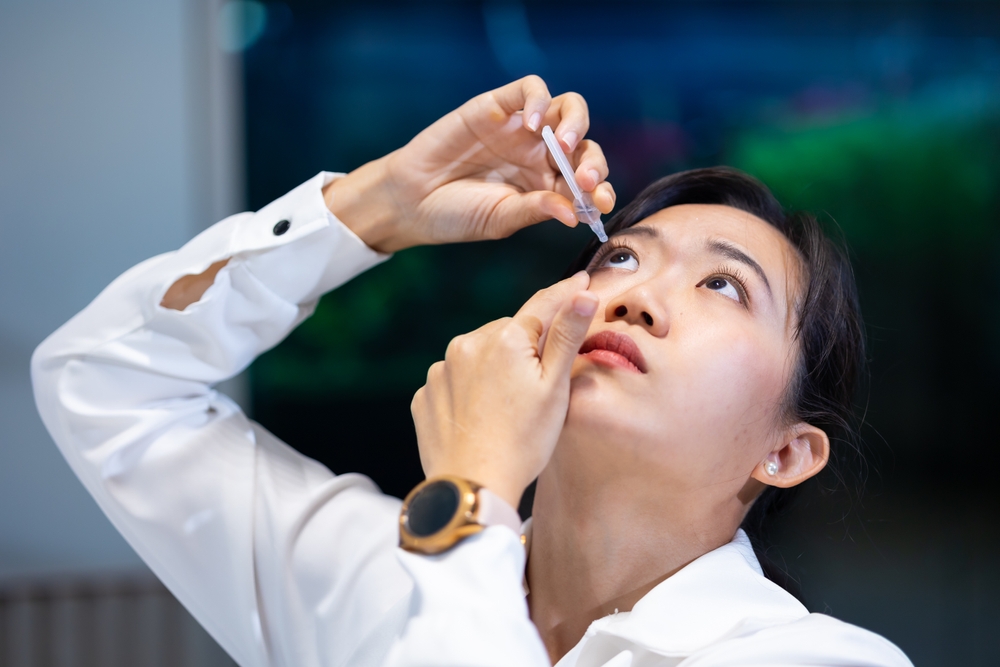
Dry eye is a common concern for many patients at North Texas Ophthalmology Associates. While age, medical conditions, and increased screen use can contribute to symptoms, environmental factors often play a significant role. From Texas heat to indoor climate control, your surroundings can directly affect tear stability and eye comfort.
Understanding these triggers can help you take proactive steps to protect your vision and reduce irritation. When environmental adjustments alone are not enough, modern dry eye treatments can help restore tear stability and improve long-term eye comfort.
At North Texas Ophthalmology Associates, patients benefit from specialized dry eye care under Dr. Staples, our optometrist who focuses on the diagnosis and treatment of dry eye disease. Learn more about our physicians!
Air Conditioning and Indoor Heating
In North Texas, air conditioning often runs for much of the year, while heaters take over during colder months. Both systems reduce indoor humidity, which speeds up tear evaporation and leaves the eyes feeling dry and irritated.
To minimize this effect, consider:
Using a humidifier in your home or office
Avoiding direct airflow from vents
Staying well hydrated
Using preservative-free artificial tears as needed throughout the day
Maintaining proper indoor humidity can help support a more stable tear film and reduce irritation.
Wind and Outdoor Exposure
Windy conditions can quickly dry out the eyes and expose them to dust and debris. Extended time outdoors, especially on breezy days, can worsen symptoms for those prone to dry eye.
Helpful strategies include:
Wearing wraparound sunglasses
Using lubricating drops before outdoor activities
Limiting prolonged exposure to wind when possible
These steps can help maintain tear stability and reduce irritation during outdoor activities.
Screen Time and Digital Environments
Extended screen use reduces your natural blink rate, causing tears to evaporate more quickly. In today’s digital world, this is one of the most common contributors to dry eye symptoms.
Practicing the 20-20-20 rule — looking 20 feet away for 20 seconds every 20 minutes — can reduce digital eye strain.
Other helpful adjustments include:
Keeping screens slightly below eye level
Taking regular breaks from digital devices
Being mindful to blink more frequently
Low Humidity and Dry Climate
Hot, dry conditions are common in North Texas and can significantly impact eye moisture. When humidity levels are low, tears evaporate more quickly, leaving the eyes feeling gritty or uncomfortable.
Helpful strategies include:
Running a humidifier indoors
Increasing water intake
Using nighttime lubricating ointments if recommended by your doctor
These adjustments can help counteract environmental dryness.
Smoke and Air Pollution
Smoke from cigarettes, wildfires, and vehicle exhaust can irritate the surface of the eye and disrupt the tear film. Poor air quality days often worsen dry eye symptoms.
Helpful precautions include:
Limiting exposure to smoke
Using air purifiers indoors
Keeping car windows closed in heavy traffic or poor air quality conditions
Reducing exposure to airborne irritants can help protect the ocular surface.
Allergens and Dust
Pollen, pet dander, and dust can inflame the eyes and intensify dryness. Seasonal allergies can be especially problematic for patients who already struggle with dry eye symptoms.
Helpful strategies include:
Washing bedding regularly
Replacing HVAC filters frequently
Using allergy-friendly pillow covers
Rinsing the eyes with sterile saline after allergen exposure
Managing allergens can help reduce inflammation and discomfort.
Advanced Dry Eye Treatments
When environmental changes and artificial tears are not enough, advanced treatments may be recommended to address the underlying causes of dry eye disease.
At North Texas Ophthalmology Associates, we offer several modern dry eye treatments tailored to each patient’s condition.
TearCare® Treatment
TearCare®, developed by Sight Sciences, is designed to treat meibomian gland dysfunction (MGD), a leading cause of dry eye disease. The treatment gently warms the eyelids to restore healthy oil flow, helping stabilize the tear film and reduce symptoms.
Autologous Serum Tears
Serum tears are specialized eye drops created from a patient’s own blood serum. They contain natural healing components that closely resemble natural tears and can help repair the ocular surface in more advanced dry eye cases.
Amniotic Membrane Therapy
For patients with significant ocular surface inflammation or damage, amniotic membrane therapy can promote healing of the cornea and reduce inflammation.
These advanced therapies can provide significant relief when traditional treatments are not sufficient.
When to Seek Professional Care
While occasional dryness is common, persistent symptoms may indicate chronic dry eye disease that requires professional treatment.
Consider scheduling an eye evaluation if you experience:
Burning or stinging eyes
Redness or irritation
Blurred or fluctuating vision
Light sensitivity
A gritty or sandy sensation
Excessive tearing
Early diagnosis and treatment can help prevent long-term discomfort and protect ocular surface health.
Frequently Asked Questions About Dry Eye
Can air conditioning make dry eye worse?
Yes. Air conditioning can reduce indoor humidity and increase tear evaporation, which may worsen dry eye symptoms. Using a humidifier and avoiding direct airflow from vents can help reduce irritation.
Does screen time contribute to dry eye?
Yes. Extended screen use reduces your natural blink rate, which can cause tears to evaporate more quickly. Taking regular breaks and following the 20-20-20 rule can help reduce symptoms.
What environmental factors commonly trigger dry eye?
Common environmental triggers include air conditioning, indoor heating, wind, low humidity, smoke, air pollution, and allergens such as pollen or dust.
What advanced treatments are available for dry eye?
Advanced treatments for dry eye may include TearCare® therapy, autologous serum tears, and amniotic membrane therapy, depending on the severity and underlying cause of the condition.
When should I see a doctor for dry eye symptoms?
You should schedule an eye evaluation if symptoms such as burning, redness, irritation, blurred vision, or excessive tearing persist despite using artificial tears or making environmental adjustments.
Medically Reviewed By
This article was medically reviewed by Dr. Staples, optometrist and dry eye specialist at North Texas Ophthalmology Associates.
Learn more about our physicians here!
Dry Eye Care in Wichita Falls
Patients throughout Wichita Falls and North Texas trust North Texas Ophthalmology Associates for comprehensive eye care and advanced dry eye treatment.
If dry, irritated eyes are interfering with your daily life, our team can help identify the underlying cause and develop a personalized treatment plan.
Schedule your consultation today. Request an appointment, or call (940) 240-8400 to schedule an appointment.

All Eye
Care Services

Keep
In Touch
© 2026 North Texas Ophthalmology Associates. All rights Reserved | Accessibility Statement| Privacy Policy | Language Policy
Powered by:

