
Cataract Surgery With Astigmatism: Could a Toric Lens Reduce Your Need for Glasses?

Cataract Surgery With Astigmatism: Could a Toric Lens Reduce Your Need for Glasses?
Cataract Surgery With Astigmatism: Could a Toric Lens Reduce Your Need for Glasses?
Cataract Surgery With Astigmatism: Could a Toric Lens Reduce Your Need for Glasses?
Understanding Cataracts and Astigmatism
If you have cataracts and astigmatism, you may wonder what will happen to your astigmatism when you have cataract surgery.
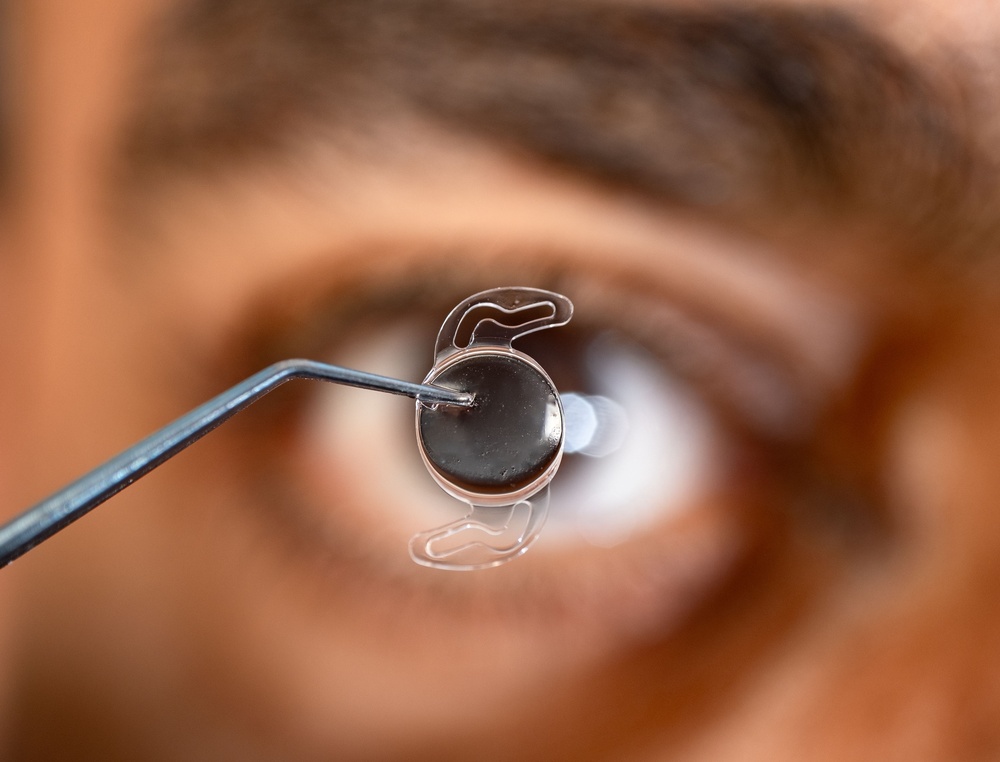
Cataract surgery replaces the eye's cloudy natural lens with an artificial intraocular lens, or IOL. While removing the cataract can restore clarity, a standard monofocal IOL does not correct astigmatism that is also affecting your vision.
For appropriate patients, a toric IOL may allow us to address both cataracts and astigmatism during cataract surgery, potentially reducing dependence on glasses for distance vision.
At North Texas Ophthalmology Associates, choosing an IOL begins with detailed measurements of your eyes, a discussion about your lifestyle and visual goals, and an evaluation of your overall eye health.
Learn more about cataract surgery: https://www.ntoaeye.com/cataract-surgery.html
What Is Astigmatism?
Astigmatism is a common condition that occurs when the shape of the cornea causes light to focus unevenly inside the eye.
Instead of light focusing at a single point, astigmatism causes light to focus in multiple areas. This can contribute to blurry or distorted vision at different distances.
Astigmatism can occur on its own or alongside nearsightedness, farsightedness, and cataracts.
If you have astigmatism before cataract surgery, removing the cataract does not eliminate it. That is why astigmatism is one of the factors we consider when planning cataract surgery.
What Happens to Astigmatism During Cataract Surgery?
During cataract surgery, the cloudy natural lens is removed and replaced with an artificial IOL.
A standard monofocal IOL can provide excellent vision following cataract removal, but it is not specifically designed to correct corneal astigmatism.
If astigmatism remains after surgery, glasses may still be needed to achieve your clearest vision.
For patients with certain types and amounts of astigmatism, a toric IOL may provide another option.
How Is a Toric IOL Different From a Standard IOL?
A toric IOL is designed to correct astigmatism during cataract surgery.
The lens is selected based on measurements taken before surgery and positioned at a specific orientation within the eye to provide the intended astigmatism correction.
For appropriate candidates, potential benefits may include:
• Cataract and astigmatism correction during the same procedure
• Clearer vision without glasses at the distance targeted by the lens
• Reduced dependence on prescription glasses for astigmatism
• Vision correction selected according to measurements of the individual eye
The goal is to improve the quality of vision after cataract surgery while reducing the amount of astigmatism that would otherwise remain.
Will I Still Need Glasses With a Toric IOL?
Possibly.
A toric IOL can reduce astigmatism, but it does not guarantee that you will be completely independent of glasses after cataract surgery.
Your need for glasses depends on several factors, including the amount and type of astigmatism, the IOL selected, the distance targeted for vision, your eye health, and how your eyes heal following surgery.
For example, a patient receiving a toric monofocal IOL targeted for distance vision will still need reading glasses for near tasks.
Our goal is to set realistic expectations before surgery so you understand what a particular lens is designed to accomplish.
How Do We Determine Whether a Toric IOL Is Right for You?
Choosing an IOL is highly individualized.
Before cataract surgery, detailed measurements help us evaluate the shape and focusing characteristics of your eyes. Your surgeon will also consider your overall eye health and how you use your vision throughout the day.
Factors that may influence your IOL recommendation include:
• The amount and type of astigmatism
• Corneal measurements
• Overall eye health
• Other existing eye conditions
• Your preferred range of vision
• Driving, reading, computer use, hobbies, and other visual demands
• Your expectations for glasses after surgery
Not every patient with astigmatism needs or is a candidate for a toric IOL. The purpose of the evaluation is to determine which option appropriately fits your individual eyes and visual goals.
What Other Lens Options Are Available for Cataract Surgery?
Toric IOLs are one of several lens options available for cataract surgery.
Depending on your eyes and visual goals, your surgeon may discuss a standard monofocal IOL or an Advanced Technology IOL designed to provide additional vision correction.
Rather than choosing a lens based simply on which technology is newest, our goal is to help you understand the advantages and limitations of your options and recommend a lens based on your individual eyes and vision goals.
Learn more about Advanced Technology IOL options: https://www.ntoaeye.com/blog/what-are-premium-intraocular-lenses-iol-and-are-they-worth-the-investment.html
Frequently Asked Questions About Toric IOLs
Can a toric IOL completely correct my astigmatism?
A toric IOL is designed to reduce corneal astigmatism, but the amount of correction can vary between patients. Some patients may still have residual astigmatism or need glasses for their clearest vision following cataract surgery.
Will I need reading glasses with a toric IOL?
You may. A toric monofocal IOL can correct astigmatism while providing clear vision at a targeted distance, but patients who choose distance vision may still need glasses for reading and other near activities.
Is everyone with astigmatism a candidate for a toric IOL?
No. The amount and type of astigmatism, corneal measurements, overall eye health, and other factors can affect whether a toric IOL is appropriate.
Detailed measurements during your cataract evaluation help your surgeon determine whether you may benefit from a toric lens.
Is a toric IOL covered by insurance?
No. Toric IOLs and other Advanced Technology IOL options are considered elective upgrades and are not covered by insurance. Our team can review the additional costs and available
financing options with you before surgery.
Can a toric IOL move after cataract surgery?
Toric IOLs are carefully positioned during surgery because their orientation is important for astigmatism correction. In some cases, a toric lens can rotate after surgery. Your surgeon will monitor the position of the lens during your postoperative care and determine whether additional treatment is necessary.
Cataract Surgery for Patients With Astigmatism in Wichita Falls
Having astigmatism does not mean cataract surgery is one-size-fits-all.
Patients throughout Wichita Falls, North Texas, and Southern Oklahoma have access to cataract surgery options at North Texas Ophthalmology Associates designed around their individual eye measurements and visual goals.
Whether a standard monofocal IOL, toric IOL, Light Adjustable Lens, or another Advanced Technology IOL is appropriate depends on your eyes and what you hope to achieve with cataract surgery.
Learn more about our physicians: https://www.ntoaeye.com/our-doctors.html
Schedule Your Cataract Evaluation
If cataracts and astigmatism are affecting your vision, a comprehensive cataract evaluation can help determine which lens options may be appropriate for you.
Schedule an appointment with North Texas Ophthalmology Associates: https://www.ntoaeye.com/contact-us.html or call (940) 240-8400.
Medically Reviewed By
This article has been medically reviewed by Dr. Alex Compton, ophthalmologist and cataract surgeon at North Texas Ophthalmology Associates, before publication.
Dr. Compton provides medical and surgical eye care, including cataract and glaucoma treatment, and helps patients understand their surgical options based on their individual eye health and visual goals.

All Eye
Care Services

Keep
In Touch
© 2026 North Texas Ophthalmology Associates. All rights Reserved | Accessibility Statement| Privacy Policy | Language Policy
Powered by:

